Subfloor Replacement in Wilmington, NC
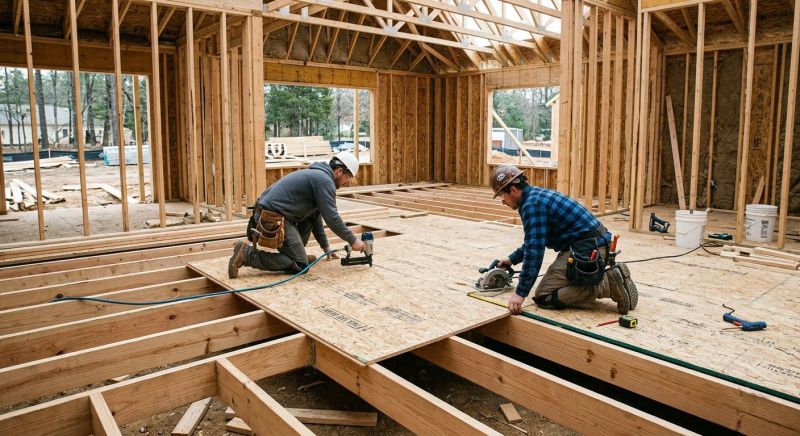
Subfloor replacement services involve removing and installing new subflooring materials beneath the finished flooring in a property. This work is commonly requested for projects involving water damage, mold issues, wood rot, or structural concerns that compromise the integrity of the existing subfloor. Property owners typically seek this service when the current subfloor is warped, cracked, or weakened, which can lead to uneven flooring, squeaks, or further damage to finished surfaces above.
Before requesting subfloor replacement, homeowners should understand the extent of the damage and whether it affects only the surface layer or the underlying structure. It’s also important to consider the type of flooring installed above, as some materials require specific subflooring standards. Proper assessment ensures that the replacement process addresses all underlying issues and results in a stable, level base for new flooring.
Many property owners in Wilmington, NC look into Subfloor Replacement for repairs, replacements, upgrades, and appearance-related improvements.
Signs You Need Subfloor Replacement
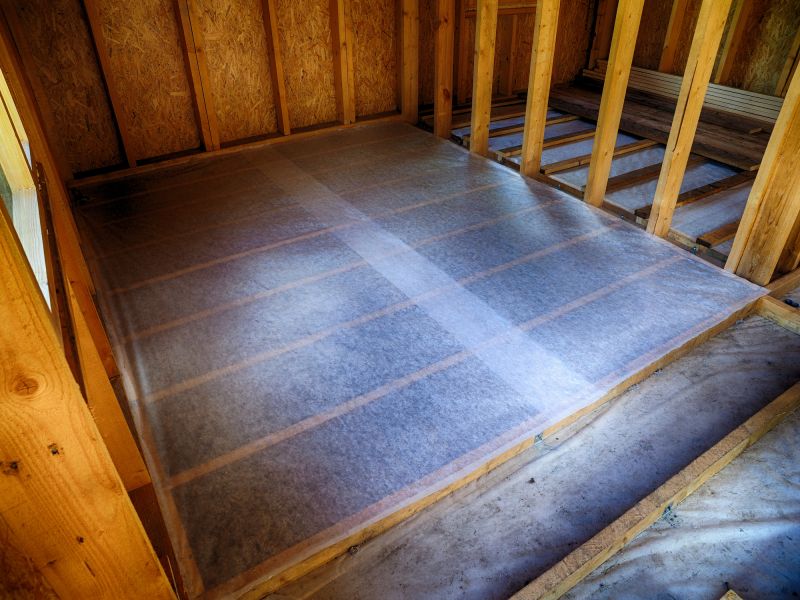
Visible sagging, uneven floors, or persistent squeaks may indicate subfloor issues that require replacement.
Benefits Of Subfloor Replacement
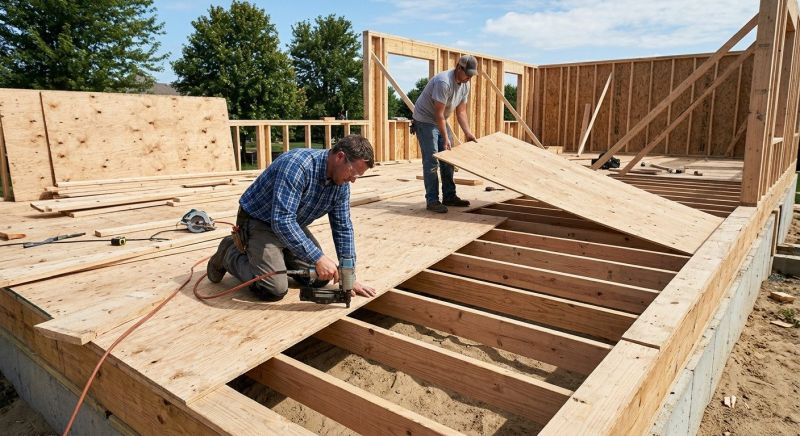
Replacing damaged subfloors can improve floor stability, prevent further damage, and enhance indoor comfort.
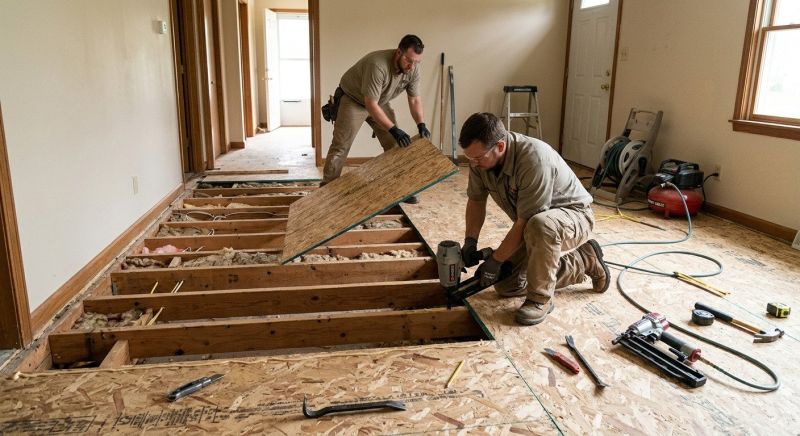
Common Projects Requiring Subfloor Work
Subfloor replacement is often needed in areas affected by water damage, mold, or structural deterioration in wilmington homes.
Subfloor Replacement in Wilmington, NC

Subfloor replacement services involve removing and installing new subflooring materials beneath the finished flooring in a property. This work is commonly requested for projects involving water damage, mold issues, wood rot, or structural concerns that compromise the integrity of the existing subfloor. Property owners typically seek this service when the current subfloor is warped, cracked, or weakened, which can lead to uneven flooring, squeaks, or further damage to finished surfaces above.
Before requesting subfloor replacement, homeowners should understand the extent of the damage and whether it affects only the surface layer or the underlying structure. It’s also important to consider the type of flooring installed above, as some materials require specific subflooring standards. Proper assessment ensures that the replacement process addresses all underlying issues and results in a stable, level base for new flooring.
Many property owners in Wilmington, NC look into Subfloor Replacement for repairs, replacements, upgrades, and appearance-related improvements.
Common Subfloor Replacement Jobs
Subfloor Replacement - involves removing damaged or rotted subfloor to restore a solid foundation.
Water Damage Repair - addresses subfloor issues caused by leaks or flooding to prevent further deterioration.
Floor Leveling - replaces uneven or warped subfloor to ensure a smooth, stable surface for new flooring.
Pest Damage Restoration - involves removing and replacing subfloor sections affected by termites or other pests.
Structural Reinforcement - strengthens compromised subfloor areas to support the weight of the finished floor.
Remodeling Projects - includes subfloor replacement as part of home renovation or upgrade initiatives.
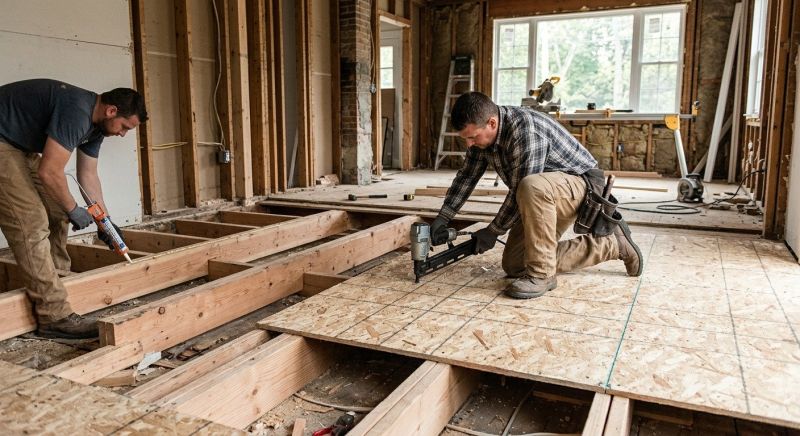
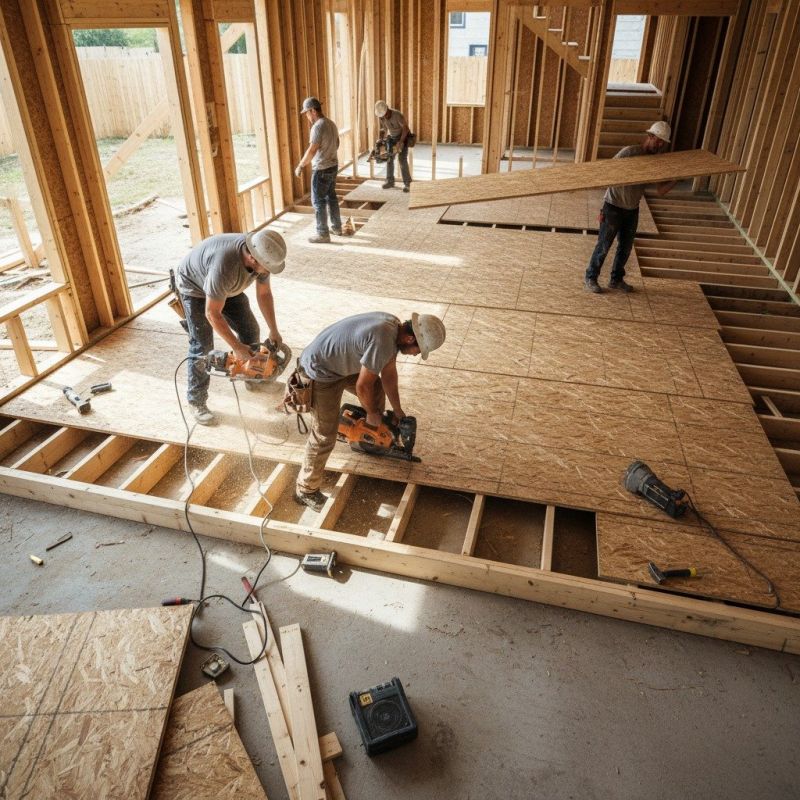
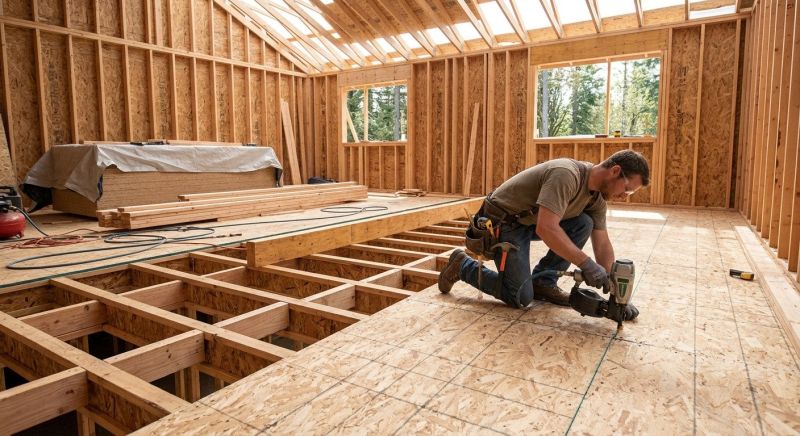
Subfloor Replacement Questions
What signs indicate subfloor replacement is needed? Indicators include uneven flooring, persistent creaking, or visible damage beneath the surface.
What types of projects typically require subfloor replacement? Common projects involve water damage, mold issues, or structural concerns affecting floor stability.
How does subfloor replacement improve a property? Replacing the subfloor provides a stable foundation, helping to prevent further damage and ensuring a level surface.
What materials are used for subfloor replacement? Plywood and oriented strand board (OSB) are common choices for new subfloor installations.
Request Subfloor Replacement in Wilmington, NC
Use the quote form on this page to share the basics of your project and request more information for the type of work you need.